
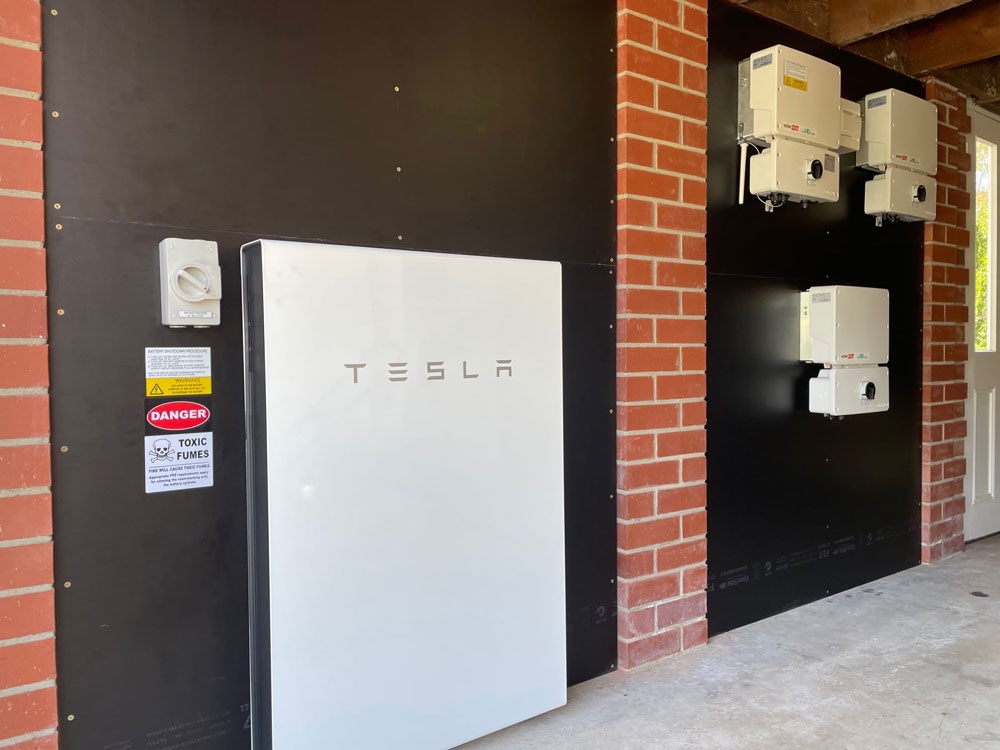
Define what you want the battery to do
Is the goal to move solar into the evening, use a tariff window, provide backup or prepare for an EV? The answer shapes the system architecture and whether a retrofit is sensible.
Identify existing equipment and performance
Note the inverter model, approximate installation date and whether monitoring still works. A recent bill and monitoring data, when available, can help show solar exports and grid use. These items are useful but optional at first contact.
Bring the switchboard and site into view
Available board space, supply phase, export controls, cable routes and equipment locations can matter as much as the battery model. The condition and supportability of existing equipment also affect whether keeping, adapting or replacing it is cleaner.
Set realistic backup expectations
Backup can range from essential services to whole-home backup, depending on the proposed system, available battery power, household loads and electrical design. We’ll explain what the recommended system can realistically support during an outage.
Why a site visit helps
Photos and monitoring information can help us understand the starting point, but existing systems often deserve an on-site assessment. We’re happy to attend the property to inspect the installed equipment, locations and practical retrofit requirements ourselves.
Useful retrofit information
- Inverter label or model
- Approximate installation date
- Monitoring access or screenshots
- Recent electricity bill
- Switchboard location
- Preferred battery location
- Backup priorities
- Future EV or appliance loads
Related guides
Reviewed by the Adelaide SolarSafe installation team.