
Operating hours and load profile
We look at when the business operates, when electricity demand is highest and whether energy use changes across different days or seasons.
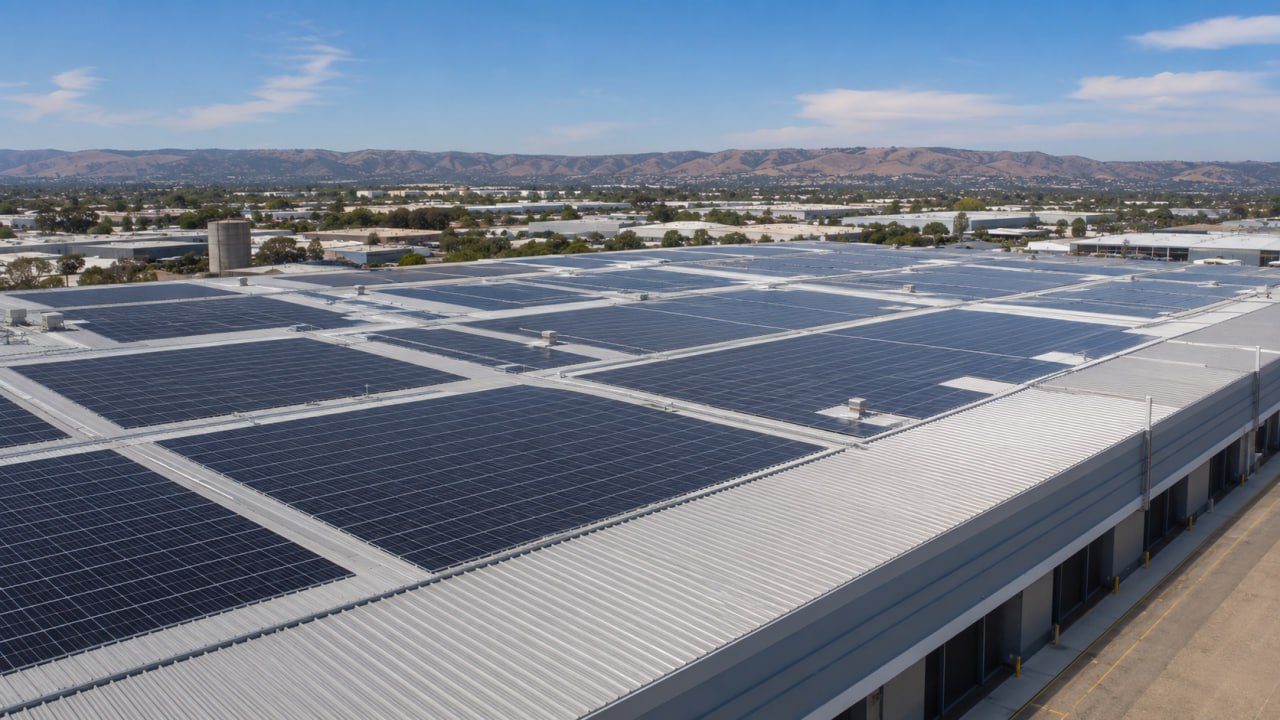
Commercial energy systems designed around how your business operates.
Adelaide SolarSafe designs and installs commercial solar, battery storage and EV charging solutions around your operating hours, energy use, electricity tariff and future plans.
We assess interval data, site infrastructure, available installation space and project requirements before providing a clear proposal. Installation work can also be planned in stages or coordinated around business operations where required.
Energy data is important, but it needs to be understood alongside the property and daily operation of the business. We consider when electricity is used, what the site can support and how installation work can be completed with minimal disruption.
We look at when the business operates, when electricity demand is highest and whether energy use changes across different days or seasons.
Recent electricity bills and available interval data help us understand actual energy use, demand patterns and the potential role of solar or battery storage.
Tariff structure, demand charges and export limitations can influence the system design, operating strategy and equipment capacity.
We consider usable roof area, shading, structural and access requirements, safety planning and how installation work can be coordinated around the business.
Metering, switchboards, available electrical capacity, tenancy arrangements and existing equipment are assessed before the proposed design is finalised.
Battery storage, fleet or customer EV charging, planned expansion and staged upgrades can be considered so today’s design leaves sensible room for future requirements.
A commercial battery should be designed around the job it needs to perform. That may include storing surplus solar, shifting electricity use to different tariff periods, managing demand peaks, supporting EV charging or providing backup for selected business operations.
We assess the site’s load profile, tariff, solar generation, electrical infrastructure and operational priorities before recommending battery capacity or equipment.
Store suitable excess solar generation for use later in the day, overnight or during other periods when the business continues operating.
Depending on the tariff and system capabilities, battery storage may help reduce short demand peaks or shift some grid consumption away from more expensive periods.
Backup can be designed around nominated equipment, essential operations or broader site requirements. We’ll explain what the proposed system can support and the expected limitations during an outage.
Battery storage, solar and workplace or fleet EV charging can be considered as one integrated system rather than designed as separate projects.
Where suitable, the system can be planned around future battery capacity, additional solar, increased business loads or a growing EV fleet.
Commercial battery outcomes depend heavily on the site’s energy use, tariff and intended application. Any proposal will clearly explain the design purpose, operating assumptions, backup scope, equipment and costs.
Commercial energy work needs to be delivered safely without creating unnecessary disruption. We coordinate access, installation stages, required shutdowns and commissioning around the way the site operates.
Where practical, work can be staged or scheduled around quieter periods, staff access, customer activity and critical business equipment.
We consider roof access, exclusion areas, vehicle movements, working-at-height requirements and how the installation team will safely operate across the site.
If switchboard or metering work requires an interruption, we’ll discuss the expected timing and coordinate it with the relevant site contacts before work proceeds.
Larger projects may be completed across multiple stages to suit site access, equipment availability and the operational needs of the business.
Your business receives a clear scope, proposed installation plan and point of contact so managers, staff and other contractors understand what is happening.
We test and commission the completed system, configure monitoring and confirm the agreed operating settings before handover.
We explain how the system and monitoring work, provide the relevant documentation and remain your point of contact if assistance is needed after installation.
You don’t need to arrive knowing the system size or equipment required. We start by understanding the business, assess the available energy and site information, and then explain the suitable options clearly.
Share your operating hours, electricity bills or interval data, current tariff and future plans. We’ll also discuss whether the priority is solar, battery storage, EV charging, backup, staged expansion or a combination of these.
We consider energy-use patterns, demand, tariffs, roof and equipment space, electrical infrastructure, export requirements, access and operational constraints before recommending a system.
Your proposal will outline the recommended system, intended operation, project scope, equipment, estimated performance, costs, important assumptions and required next steps. It will also identify relevant approvals, exclusions or installation considerations.
Any energy or financial estimates will be based on the information available at the time and the assumptions stated in the proposal. Actual outcomes can vary with business energy use, tariffs, weather and future operational changes.
You don’t need to have every document or technical detail ready before contacting us. These answers explain what can help and what Adelaide SolarSafe will assess as the project develops.
Recent electricity bills, operating hours, known future loads and any available site or roof information are useful starting points. If you have interval data, previous proposals or relevant plans, these can also assist—but they aren’t required for the first conversation.
Not always, but it can provide a much clearer picture of when the business uses electricity and when demand peaks occur. We’ll explain what data is available and whether additional information would materially improve the assessment.
Yes. These systems can be considered as one wider energy project or planned in stages. We’ll look at how each component may interact with business loads, tariffs and future energy requirements.
Yes. We discuss access, working areas, critical equipment, required shutdowns and preferred installation times before work begins. Where practical, larger projects can be staged to reduce disruption.
Yes. Provide the existing proposal and any supporting energy information, and we can explain the system design, inclusions, assumptions and important trade-offs in plain language.
Requirements can vary with the property and proposed system. Network approval, export settings, structural assessment, landlord permission or other site-specific approvals may need to be considered. We’ll identify the relevant requirements as the design progresses.
Estimates are based on the available energy data, proposed system, tariffs and stated operating assumptions. They should be treated as projections rather than guarantees because actual results can change with weather, tariffs and business energy use.
Potentially, yes. Ownership arrangements, metering, approvals, shared infrastructure and responsibility for energy costs need to be understood before an appropriate design can be recommended.
Still have a commercial energy question?
We design, install and support systems with our own in-house electrical team.
After installation, support, monitoring assistance and future-expansion options are confirmed for the agreed scope.
Tell us about your site, operating hours and what you want to achieve—whether that involves commercial solar, battery storage, EV charging, backup or future expansion.
A recent electricity bill, interval data or existing proposal can help, but they’re optional when you first enquire. We’ll guide you through what information is needed as the assessment progresses.
We install across Adelaide, the Adelaide Hills and the Fleurieu Peninsula, with larger regional South Australian projects by arrangement—see our service areas.