
Make better use of your solar
Where suitable, your charger can be configured to make use of available solar generation instead of relying entirely on grid electricity.
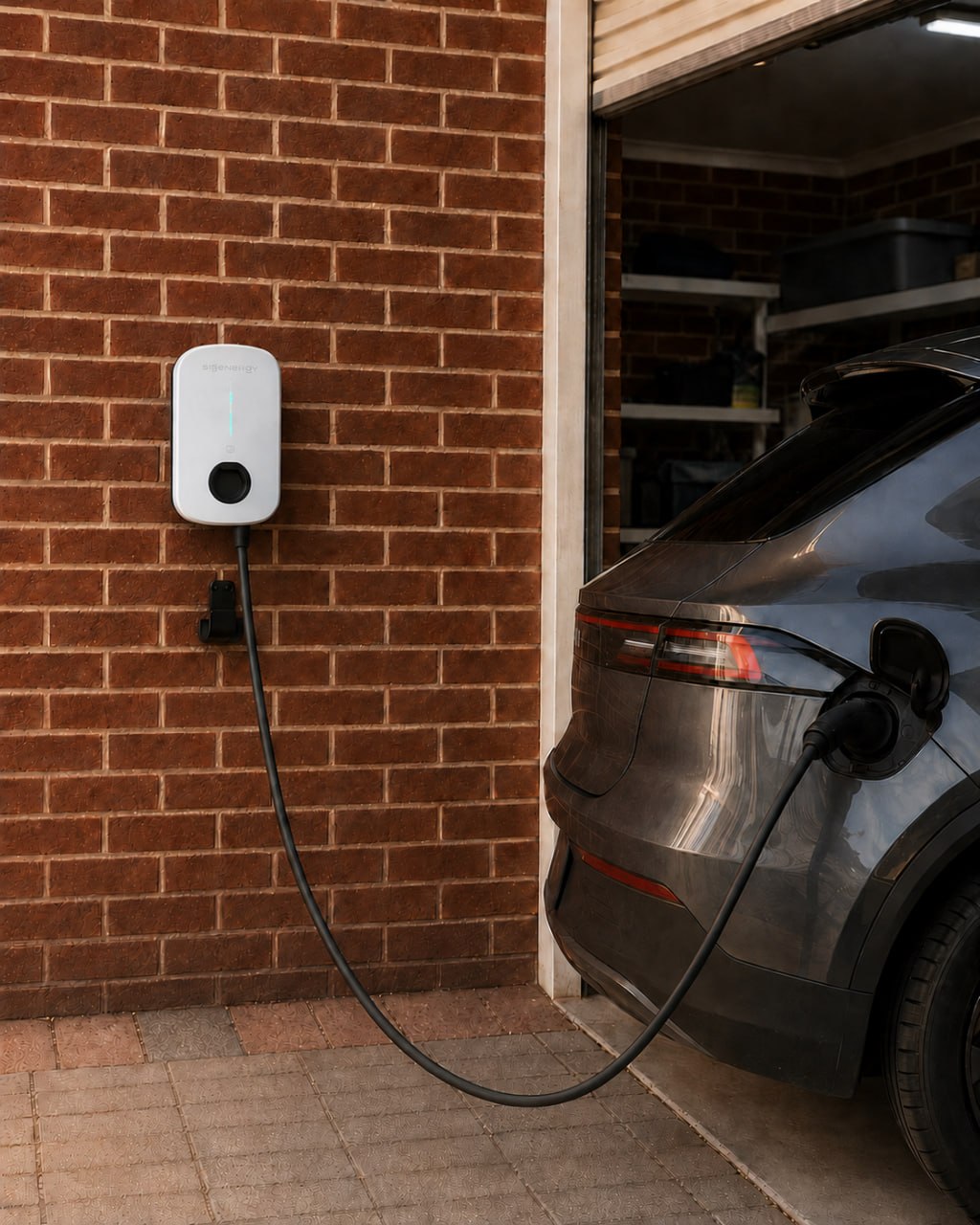
Convenient EV charging, designed around your home.
Charge your electric vehicle safely and conveniently at home with an EV charger designed around your car, driving habits and existing electrical system.
We consider where the vehicle is parked, your available electrical supply, cable route, solar system and future battery plans before recommending and installing the right charging solution.
We consider your vehicle, normal driving routine, parking position and electrical system before recommending a charger. This helps us plan the right charging speed, equipment location and cable route for your home.
We don’t treat an EV charger as a standalone accessory. We consider how it will work with your solar, battery, electricity tariff, household loads and normal driving routine.
This allows us to recommend the right charger, charging capacity and control features for the way you use energy now—and how that may change in the future.
Where suitable, your charger can be configured to make use of available solar generation instead of relying entirely on grid electricity.
Smart charging and load-management options can adjust charging around the electricity being used elsewhere in the home.
If you already have a battery—or plan to add one—we can design the charger as part of the wider solar, storage and home-energy system.
Compatible chargers can schedule charging for convenient times or eligible lower-rate electricity periods while ensuring the vehicle is ready when you need it.
We can consider a future second EV, additional solar, battery expansion or other electrical loads before finalising the design.
We install a range of EV chargers with different capabilities. Once we understand your vehicle, property and priorities, we’ll recommend the charger that best fits the complete system.
Whether you need a straightforward home charger or a fully integrated solar, battery and EV charging solution, we’ll design it around your home and explain how everything will work together.
We choose a charger around your vehicle, parking, electrical supply and how it should work with solar, a battery or your electricity tariff—not a logo on the wall.
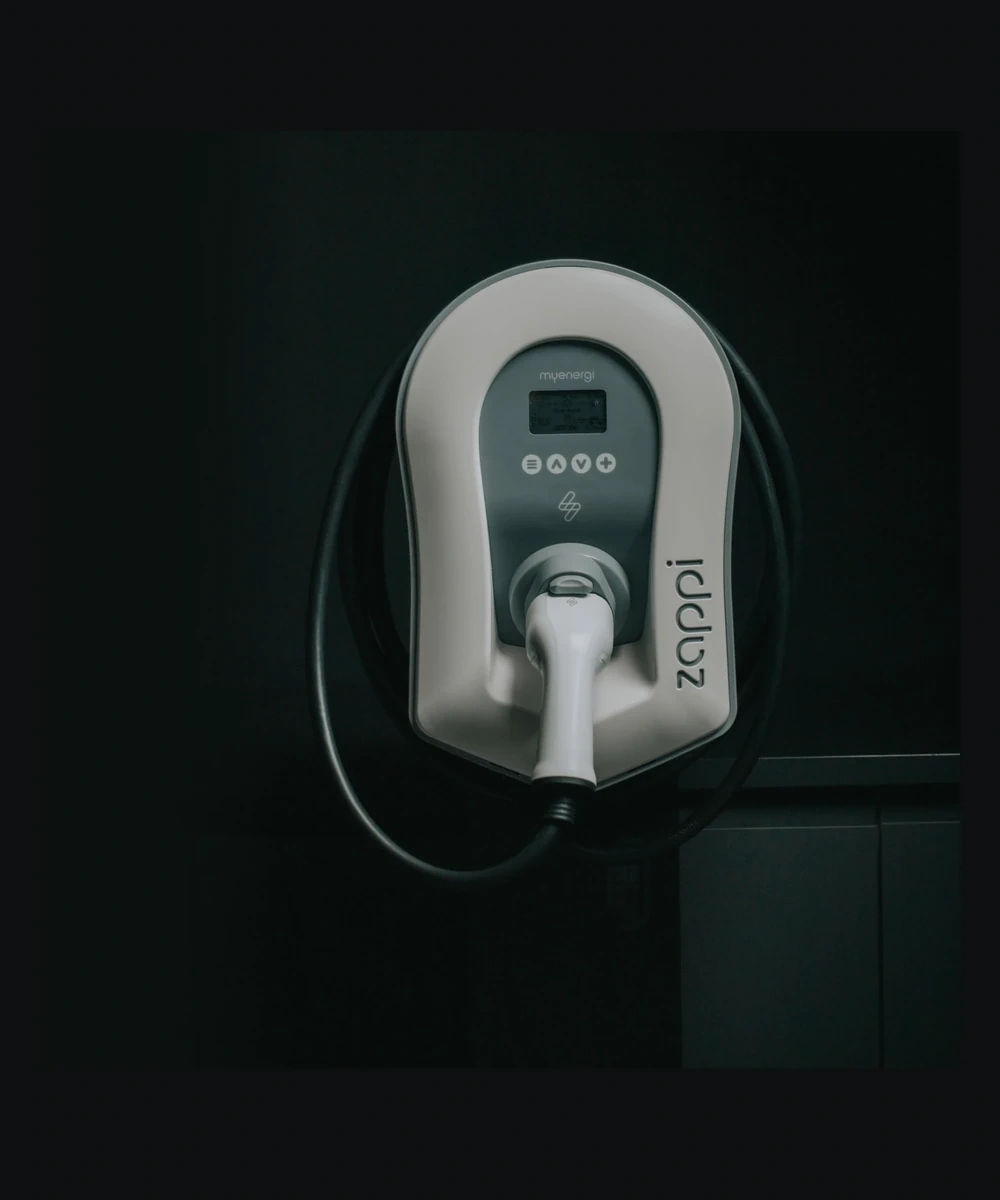
Zappi can operate as a conventional grid-supplied home charge point and, when the selected mode and monitoring are configured, can respond to available solar generation and household demand.
Its app-based timing features may also help schedule charging around your normal routine or an applicable electricity tariff. We’ll confirm the useful controls, compatible monitoring and practical charging setup for your home.
Explore Zappi home charging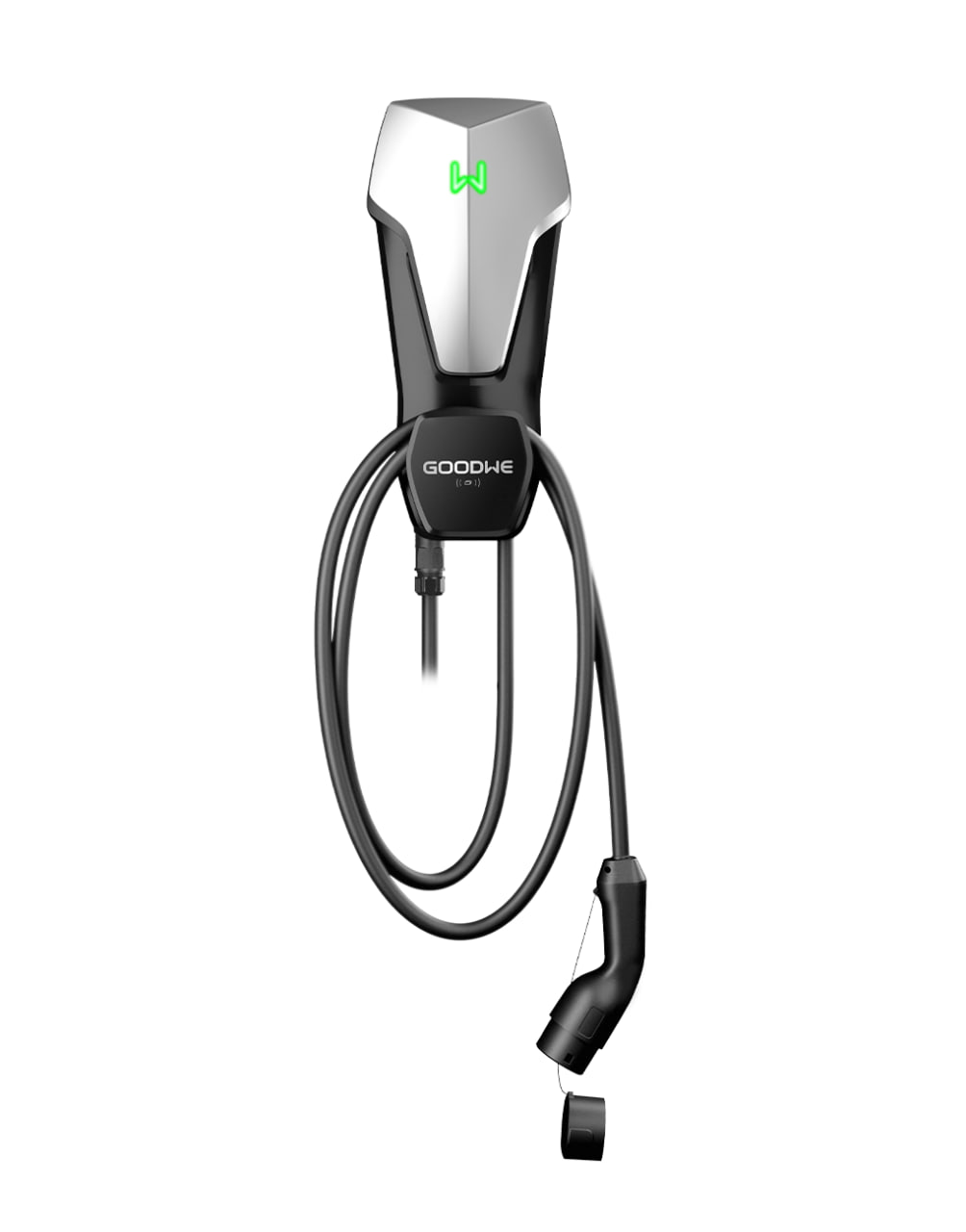
The GoodWe HCA EV Charger is an AC home charger designed to work alongside GoodWe solar, hybrid inverter and battery equipment. It can be considered where a household wants to manage solar generation, charging and monitoring within the same GoodWe ecosystem.
Its 7 kW single-phase option suits many homes. Where suitable three-phase supply and vehicle capability are available, 11 or 22 kW options can be discussed.
Explore GoodWe HCA charging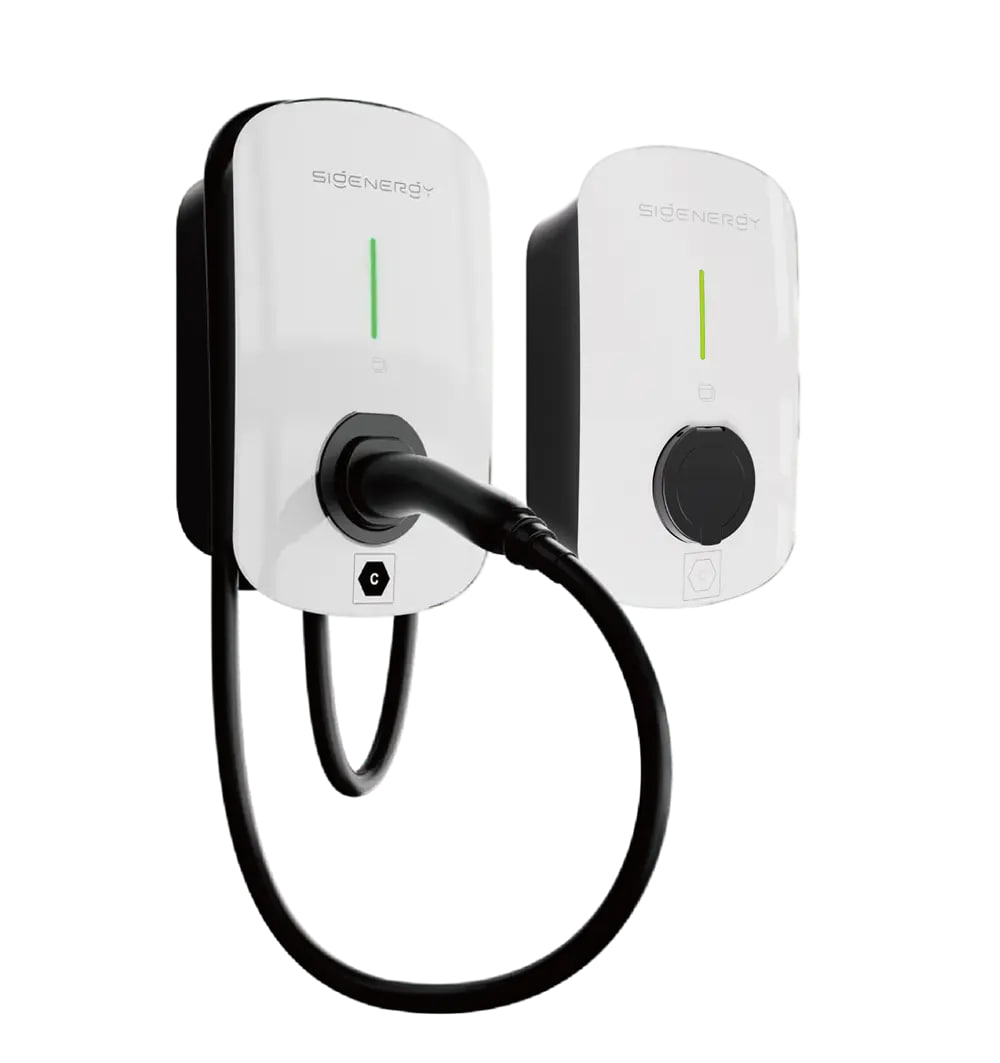
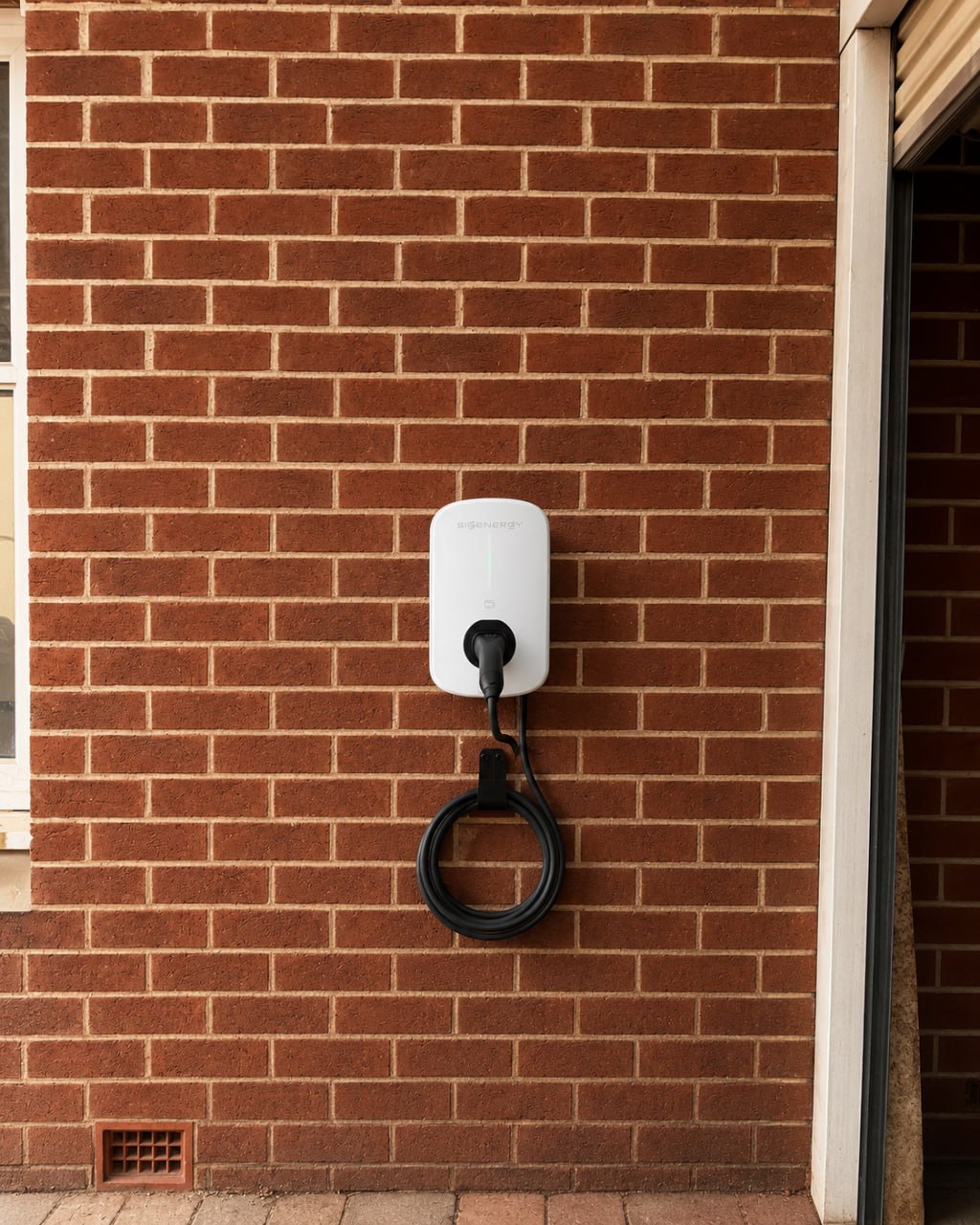
The Sigen EV AC Charger is available in 7, 11 or 22 kW nominal-output versions. It can be discussed where the home is considering Sigenergy solar, battery storage and energy-management equipment as one connected plan.
Compatible modes can prioritise surplus solar, schedule charging around tariffs or use battery energy to support charging. The useful mode and final charging rate depend on the selected charger, vehicle, phase supply, household load and Sigen configuration.
Explore Sigen AC charging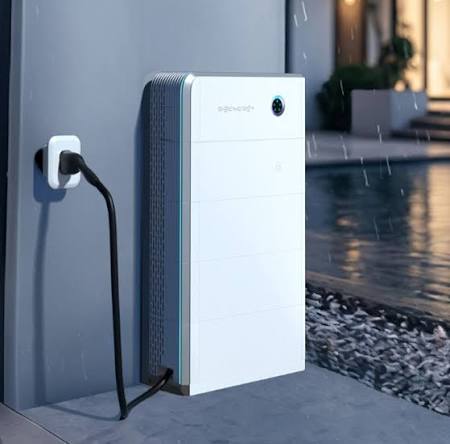
The Sigen EV DC Charging Module is a DC charging component for a selected SigenStor system, with 12.5 or 25 kW output versions. It is not a generic stand-alone charger: it needs to be designed as part of the compatible SigenStor architecture.
Sigenergy also presents this pathway as V2X-ready, but real V2H or V2G use depends on the vehicle, compatible equipment, relevant standards, software support, network requirements and availability at the time.
Explore Sigen DC and V2X optionsCharger availability, compatible controls, charging behaviour and any solar, battery, load-management or V2H/V2G pathway are confirmed for the selected equipment and your home’s electrical design.
A Level 2 home charger can be designed around your vehicle, electrical supply and normal driving routine. If you are considering vehicle-to-home (V2H) or vehicle-to-grid (V2G) capability, we can also talk through how it may fit within your broader renewable energy and storage solution.
V2H and V2G capability depends on the vehicle, charger, compatible home-energy equipment, network requirements and the services available at the time. We’ll assess what is practical for your home before recommending a path.
Talk to us about EV chargingYou don’t need to know which charger or charging capacity you need. Tell us about your vehicle, home and normal driving routine, and we’ll guide you through the suitable options.
Complete our short enquiry form or call 0438 420 561. Tell us what you drive, where it is parked and whether you have solar, battery storage or future energy plans. Relevant photos can help, but they’re optional. If you want to share them, email them to admin@adelaidesolarsafe.com.au.
We consider your vehicle’s charging capability, electrical supply, household demand, charger position and cable route. We’ll then recommend suitable equipment and provide a clear proposal outlining the charging approach, installation scope and costs.
We design, install and support systems with our own in-house electrical team. Compatible smart-energy features and handover are confirmed for the agreed scope. If app setup is required, we’ll help get you connected and explain the important charging controls.
Every vehicle and home is different, but these answers cover the questions customers most often ask before installing an EV charger.
Yes, with a compatible charger and correctly configured monitoring. Charging can respond to available solar generation, although the result also depends on the vehicle, charger settings and electricity being used elsewhere in the home.
Yes. We can consider how the charger, solar and battery should operate together based on your priorities. The design may favour surplus solar, scheduled grid charging, stored energy or a combination of these.
Charging speed depends on the vehicle’s onboard charger, the selected EV charger and the electrical capacity available at the property. We’ll explain the practical charging rate and what it means for your normal driving routine.
Not necessarily. Many homes can achieve convenient overnight charging from a single-phase supply. Three-phase charging may be useful for compatible vehicles and higher charging requirements, but it isn’t automatically necessary.
Compatible chargers can monitor household electricity use and adjust the charging rate to remain within a configured site limit. We’ll confirm whether load management is appropriate for your installation.
Compatible chargers can schedule charging for selected times, including eligible off-peak or lower-rate periods. We’ll explain the relevant controls without promising a fixed charging cost or saving.
Yes. We install a range of EV chargers with different solar, battery, monitoring and load-management capabilities. Once we understand your vehicle and home, we’ll recommend the equipment that best suits the complete system.
Your vehicle model, normal parking position, typical weekly travel and any existing solar or battery details are helpful. Photos of the switchboard, proposed charger location and possible cable route can also assist, but they’re optional when you first enquire. If you want to share them, email them to admin@adelaidesolarsafe.com.au.
Still have an EV charging question?
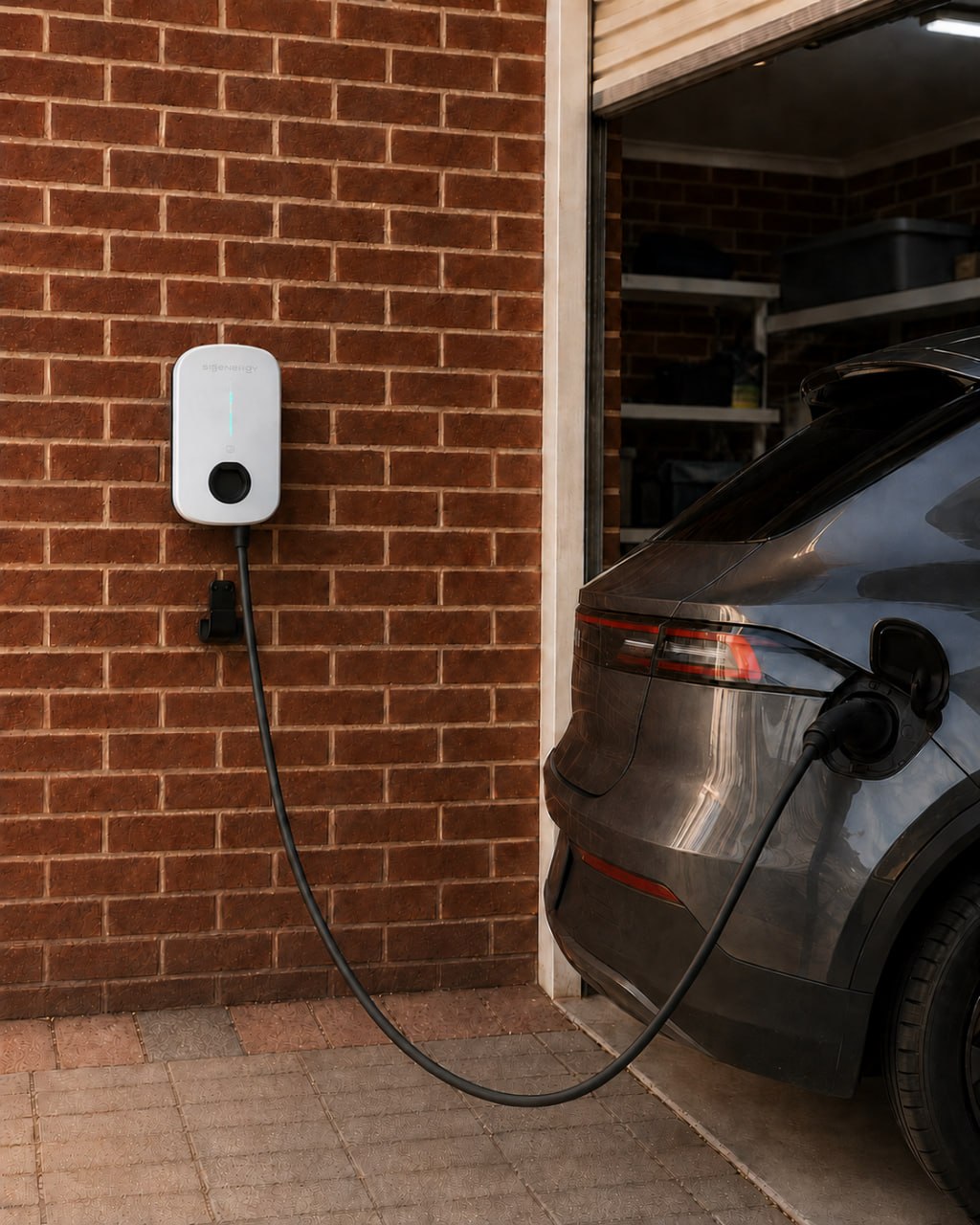
Our in-house electricians install and commission your EV charger, configure the agreed charging features and make sure the finished installation is practical and neatly presented.
We’ll show you how the charger works, assist with any required app setup and explain how to use its important charging, scheduling and solar-integration controls.
From the first discussion to installation and support afterwards, we’ll walk you through the suitable options in plain language.
Tell us what you drive, where it is normally parked and how you would like to charge it. We’ll consider your solar, battery, electricity tariff and wider household energy use before recommending a suitable charging solution.
Relevant photos can help, but they’re completely optional when you first enquire. If you want to share them, email them to admin@adelaidesolarsafe.com.au.
We install across Adelaide, the Adelaide Hills and the Fleurieu Peninsula—see our service areas.