
Start with your goals and future plans
The visit starts with what you would like to achieve and what may change later: battery storage, an EV, electric appliances, a pool, business equipment or increased occupancy. You do not need to know system size or equipment first.
Review energy use and existing equipment
A recent bill, existing quote, monitoring view or equipment model can be helpful, but each is optional. For existing systems, the team can inspect inverter, battery and switchboard details on site.
Inspect roof area, shade, appearance and access
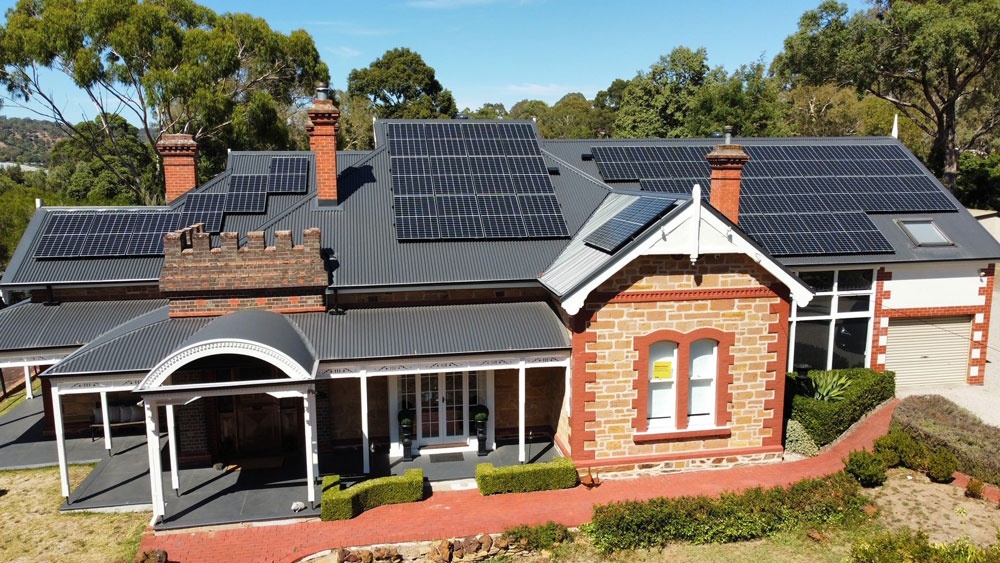
The team considers usable roof faces, shade and obstructions, how the panel layout may look, and safe access for installation. A roof plan or aerial image is useful context but does not replace the site view.
Discuss equipment locations and cable routes
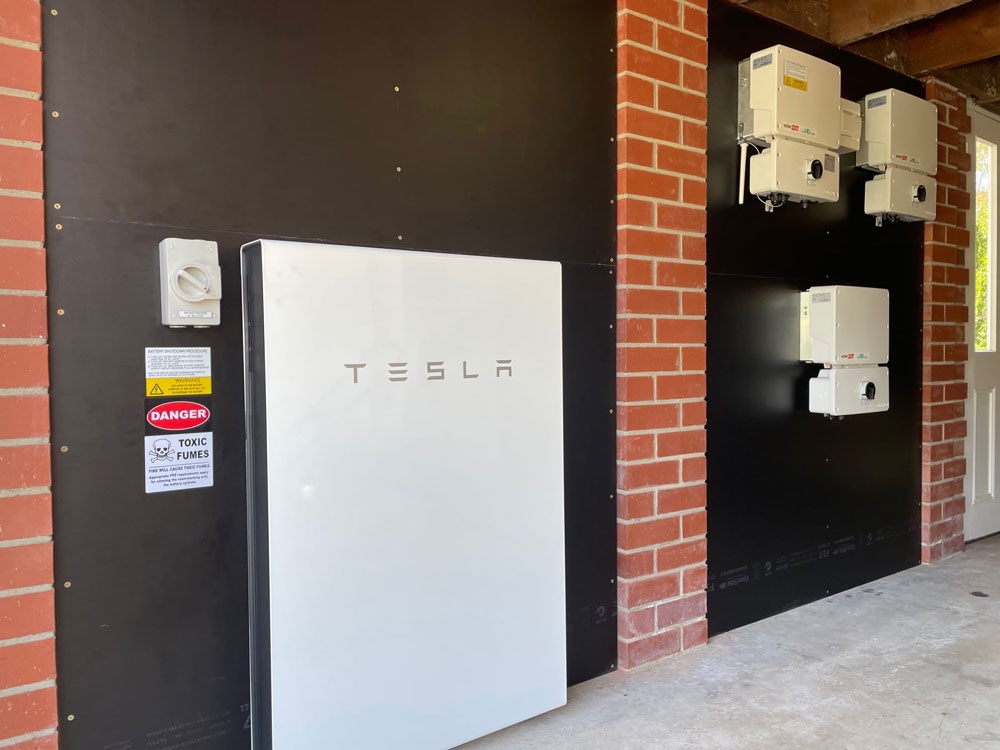
Possible inverter, battery and EV charger positions need to work with the switchboard, parking, access, clearances and practical cable paths. This is where a site visit can prevent a good-looking paper design from becoming awkward to install.
Review relevant electrical and installation requirements
The team checks the existing electrical setup and the site details needed to prepare the proposal. Final requirements depend on the selected system and current rules that apply to the property.
What we look at on site
- Your goals and future plans
- Energy use and tariff context
- Existing solar or battery equipment
- Roof faces and panel layout
- Shade and obstructions
- Appearance and access
- Switchboard and supply
- Equipment locations
- Cable routes
- Parking and EV charger position
What information is helpful but optional
A bill, existing quote, photos, plans and equipment notes can all help, but none is required before the first enquiry. Public uploads are not available. If a document would be useful, email it separately to the published address.
What happens after the visit
The team brings the goals, energy information and site findings into the proposed design. The written proposal should explain the equipment, included electrical work, locations, assumptions, exclusions and next steps.
Related guides
Reviewed by the Adelaide SolarSafe installation team.